



From home kitchens to neighborhood bakeries, man’oushe embodies Lebanon’s living food heritage, now officially recognized by UNESCO
A bite of heritage

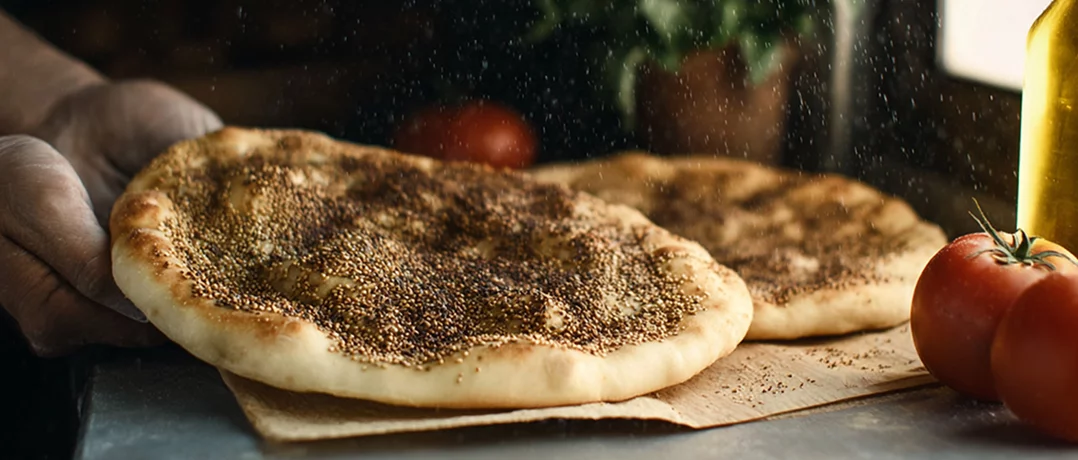
Few foods capture the essence of Lebanese daily life quite like man’oushe, the flatbread that has long been a staple of breakfast tables across the country. UNESCO inscribed man’oushe as an Intangible Cultural Heritage of Lebanon, recognizing not just the bread itself but the social rituals, family traditions, and culinary knowledge that surround it. UNESCO describes it as a “quintessential Lebanese breakfast,” passed informally from parents to children, a tradition as much about shared experience as it is about taste.
A tradition in every home
In homes across Beirut, Tripoli, Zahle, and countless villages, mornings begin with the scent of baking dough drifting from kitchens, uniting households in a ritual that has remained largely unchanged for generations. Beyond homes however, man’oushe has been a central feature of Lebanese bakery culture. Local bakeries have long been meeting points, where neighbors and friends stop by for freshly baked flatbreads on their way to work or school. The simplicity of its ingredients belies the skill required to achieve the perfect balance of crispness, chewiness, and flavor.
What UNESCO recognition means
The UNESCO listing highlights the cultural significance of everyday food and the importance of preserving culinary heritage. By recognizing man’oushe, UNESCO is emphasizing that heritage isn’t confined to monuments or historic events, it lives in kitchens, bakeries, and the routines that connect generations. For Lebanese youth and diaspora communities alike, this recognition validates the role of food in shaping identity and memory.
A symbol of daily culture
While traditional zaatar man’oushe remains the standard, bakers across Lebanon are experimenting with new variations to appeal to modern palates: cheese blends, spinach, labneh, or even sweet toppings like honey and nuts. These innovations reflect a living tradition, one that evolves while maintaining its roots in communal practice and daily ritual.
Man’oushe’s significance goes beyond nourishment. It is a culinary thread weaving together family, neighborhood, and national identity. The UNESCO recognition may help safeguard the craft, encouraging younger generations to learn the art of dough-making, proper baking techniques, and the cultural rituals that surround it. In a country facing social and economic challenges, man’oushe reminds Lebanese people that heritage can be as humble as a flatbread and as vital as a shared breakfast at dawn.
-
-

-
The Beiruter
-
