



Scientists develop a seawater-degradable plastic that dissolves safely, offering a breakthrough against the global microplastics crisis.
A plastic that breaks before nature does

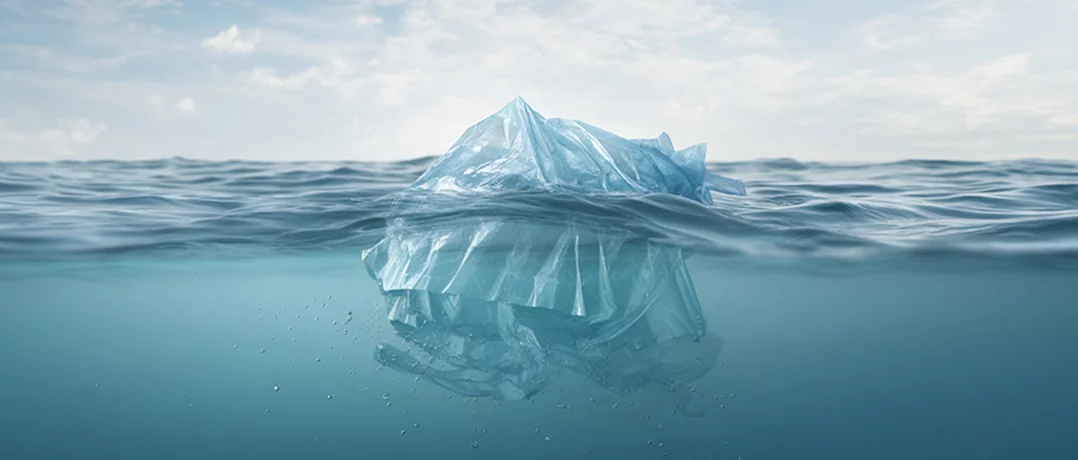
Microplastics, plastic fragments smaller than five millimeters, have now been detected across the planet, from the deepest oceans and polar ice to the air humans breathe. In recent years, scientific studies have confirmed their presence in human blood, lungs, and even brain tissue, raising growing concern about their long-term effects on health and ecosystems.
While the full impact of microplastics is still being studied, researchers have linked them to disrupted growth and fertility in animals, inflammation, and organ dysfunction. One major challenge has been that many so-called biodegradable plastics fail to break down in marine environments, instead fragmenting into microplastics that persist for decades.
In response, scientists at Japan’s RIKEN Center for Emergent Matter Science have developed a new plastic-like material designed to degrade rapidly in seawater. Created using supramolecular polymers, materials held together by reversible molecular bonds, the new plastic remains strong and durable in everyday use but dissolves into non-toxic components when exposed to saltwater.
According to RIKEN materials scientist Takuzo Aida, the breakthrough lies in “salt bridges” that lock the material together but can be unlocked by seawater, allowing the plastic to fully disintegrate within hours. Unlike conventional plastics, the material does not fragment into microplastics and can potentially be recycled using seawater in controlled facilities.
The development comes as global plastic production continues to rise. The United Nations Environment Programme warns that without major policy and technological shifts, plastic output, and associated carbon emissions, could more than double by 2050. Researchers say innovations like seawater-degradable plastics could play a critical role, but only if paired with stronger regulation, recycling systems, and reduced reliance on fossil-fuel-based materials.
As scientists race to address the microplastics crisis, the message is increasingly clear: technological solutions exist, but meaningful impact will depend on how quickly governments and industries choose to act.
-
-

-
The Beiruter
-
