



Lebanon now ranks among the world’s most polluted countries, with environmental neglect turning air, water, and waste into a public health crisis.
Lebanon’s silent pollution crisis

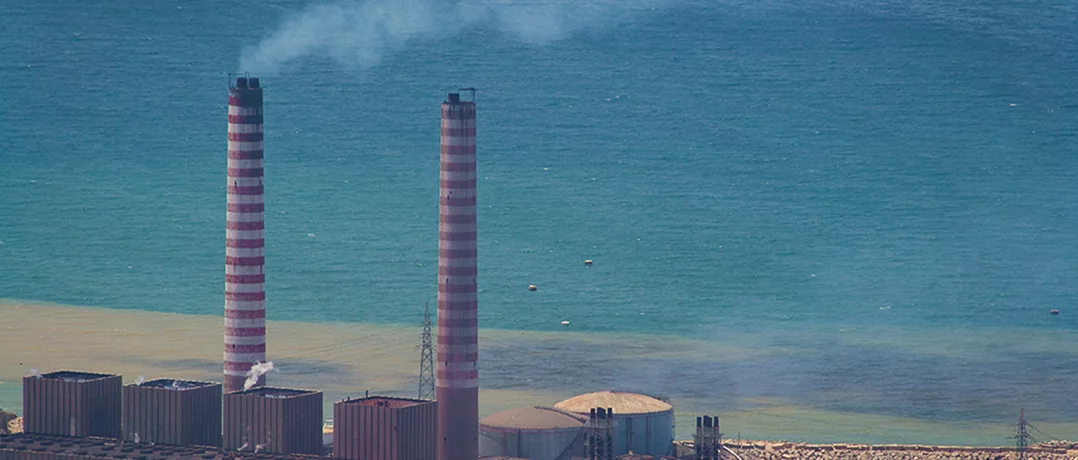
Lebanon has now joined the ranks of the most polluted countries in the world. According to the 2025 Pollution Index, the country scored 89.6%, placing it among the worst globally and at the top regionally. It is a ranking that should alarm, but not surprise. Years of environmental neglect, compounded by economic collapse and political paralysis, have left Lebanon’s air, water, and land increasingly toxic and its people paying the price.
The Pollution Index assesses multiple forms of environmental degradation, including air quality, water contamination, waste management, and exposure to noise and light pollution. A score this high points not to a systemic failure. In Lebanon’s case, pollution has become woven into daily life, normalized, unavoidable, and largely unregulated.
Breathing in the crisis
Air pollution remains one of the most visible and dangerous aspects of Lebanon’s environmental decline. With a near-total reliance on private diesel generators due to the collapse of the electricity sector, toxic emissions now blanket cities and residential neighborhoods around the clock.
Aging vehicles, the absence of emissions testing, open waste burning, and unchecked industrial activity further degrade air quality. According to World Health Organization guidelines, long-term exposure to polluted air significantly increases the risk of respiratory and cardiovascular diseases, conditions doctors in Lebanon report seeing with growing frequency.
Nearly a decade after the 2015 garbage crisis, Lebanon still lacks a unified national waste management strategy. Trash continues to be dumped in open landfills, burned near residential areas, or discarded into rivers and the sea. These practices contaminate soil, release toxic fumes, and poison coastal ecosystems, transforming what was once a temporary emergency into a permanent environmental threat.
Unsafe water
Water contamination remains one of the country’s most underreported dangers. Untreated sewage flows into rivers and the Mediterranean, while aging infrastructure allows pollutants to seep into groundwater. Many households rely on private water suppliers with limited oversight. Multiple studies have warned that a significant portion of Lebanon’s water sources are biologically or chemically unsafe with serious implications for public health.
When economic collapse meets environmental breakdown
Lebanon’s financial crisis has severely weakened environmental protection. Municipal budgets have been slashed, oversight agencies underfunded, and infrastructure maintenance largely abandoned. In this vacuum, pollution has flourished. Environmental safety has been relegated to a secondary concern, despite its direct impact on health and long-term sustainability.
Pollution in Lebanon is not only an environmental problem, it is a public health emergency. Rising cases of respiratory illnesses, skin conditions, allergies, and chronic fatigue are increasingly reported, yet the country lacks comprehensive national data linking pollution to health outcomes. This absence of monitoring reflects the broader institutional failure that allows environmental harm to persist without accountability.
Lebanon’s 89.6% pollution score is a powerful warning. Without urgent intervention, regulation, and investment in basic infrastructure, pollution will continue to erode not just the environment, but the health and future of those who call Lebanon home.
-
-

-
The Beiruter
-
