



From village distilleries to international markets, Lebanese arak’s revival reflects resilience, heritage, and the enduring power of a national drink rooted in identity and memory
The revival of Lebanese arak

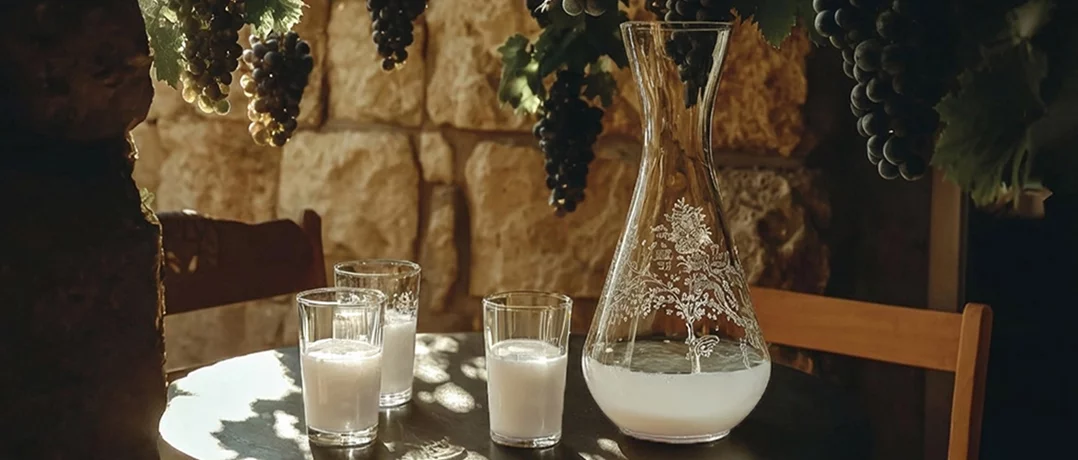
Lebanese arak, the anise-flavored spirit often called the “white gold” of the Cedars, has been a symbol of community, celebration, and identity. Historically, arak was a staple at family gatherings, weddings, and festive meals, passed down from parent to child as a craft intimately tied to the land.
Made from fermented grapes and distilled multiple times with aniseed, arak turns a milky white when mixed with water, a small ritual loaded with memory and a sense of belonging. In folk tradition, its anise was believed to ease digestion and soothe winter throats, a form of comfort passed down through generations, long before the language of modern medicine.
Distilleries in cities like Zahle, Baalbek, and Tripoli nurtured local techniques, producing spirits that varied subtly from one village to another. By the mid-20th century, Lebanese arak was widely exported, particularly to diaspora communities across the Middle East, Europe, and the Americas.
From peak to decline
The 1980s marked the peak of production, when Lebanon annually produced millions of bottles of arak. It was a golden era for both domestic consumption and export, cementing arak’s reputation as a Lebanese cultural icon. But decades of civil war and instability led to a dramatic decline.
Production fell below three million bottles at its lowest point, and many traditional distilleries struggled to survive. Some historic brands closed their doors, while younger generations often looked elsewhere for beverages and livelihoods, creating a gap in both production and cultural continuity.
A revival in numbers
Annual production has rebounded to between 4.5 and 5 million bottles, while exports continue to rise. In 2024, exports reached 980,000 bottles, up from 700,000 in 2016, a nearly 40 percent increase over eight years. In value terms, the growth is even more striking, climbing from $3.7 million to $6.2 million, an increase of more than 67 percent.
This momentum mirrors broader market trends. The global arak market is forecast to grow by $2.6 billion between 2023 and 2028, at a compound annual growth rate of 3.27 percent (Technavio), driven by the rising number of distilleries, expanding export markets, and increased online sales as consumers turn to e-commerce for accessibility and convenience.
Still, producers face mounting challenges, particularly volatile raw material prices that threaten profitability. Navigating these pressures will be key as arak continues to evolve from a heritage spirit into a competitive global product, one whose growth reflects both its quality and its deep cultural resonance.
Bringing Lebanese Arak to the world
Zahle is now representing Lebanon at international forums, such as the UNESCO Creative Cities of Gastronomy conference in Macau. These efforts highlight Lebanese arak as a cultural ambassador, linking gastronomy, history, and tourism.
Lebanese arak’s revival tells a broader story about the resilience of culture itself. It reminds us that traditions, even when challenged by conflict or economic hardship, can be renewed and reimagined. Today, arak is a living symbol of Lebanon’s history, creativity, and enduring identity, a product that continues to bring people together, at home and abroad, celebrating both heritage and possibility.
-
-

-
The Beiruter
-
