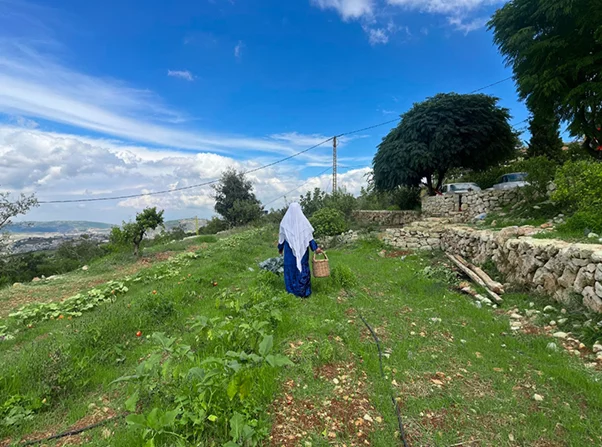
Across Lebanon's agricultural communities, women are sustaining family businesses, preserving traditional food production and pursuing new markets, even as economic hardship threatens their livelihoods.
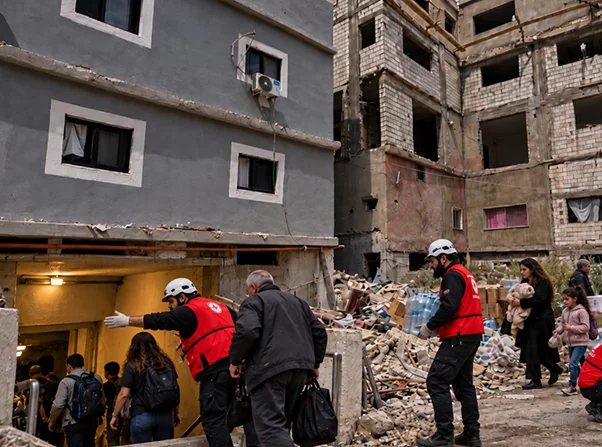
From emergency training in the southern village of Toura to displacement tracking in Tyre, The Beiruter reports from inside the Lebanese Red Cross’s Disaster Risk Reduction unit as South Lebanon struggles to recover amid persistent conflict.
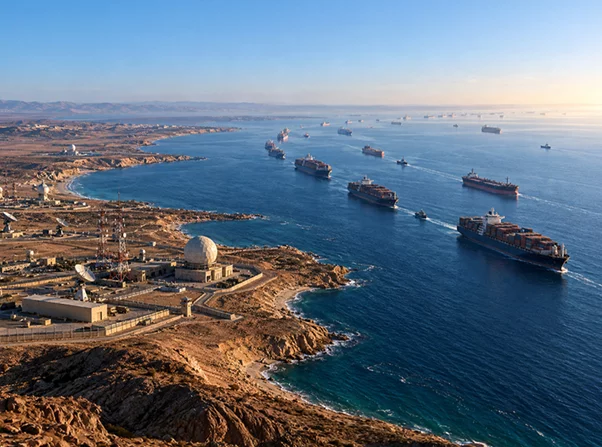
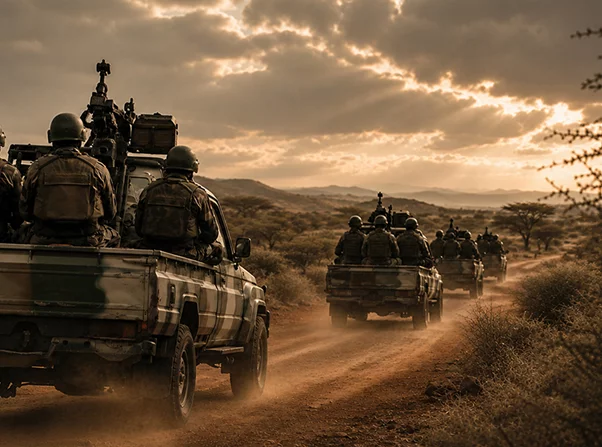
New communications systems are turning China’s Djibouti outpost into a more capable platform for supporting deployments and potentially monitoring military activity across a strategically important region.
Defense is becoming one of commercial space’s most consequential customers, bringing private satellite networks deeper into military operations and questions of sovereignty with them.
As corporate buybacks reach record levels, Nvidia’s $150 billion authorization shows why companies are choosing to spend billions purchasing their own shares rather than deploying all of their cash elsewhere.
Being landlocked imposes an unavoidable distance from global markets, but ports, borders, and relations with neighboring countries determine how costly that geography becomes.
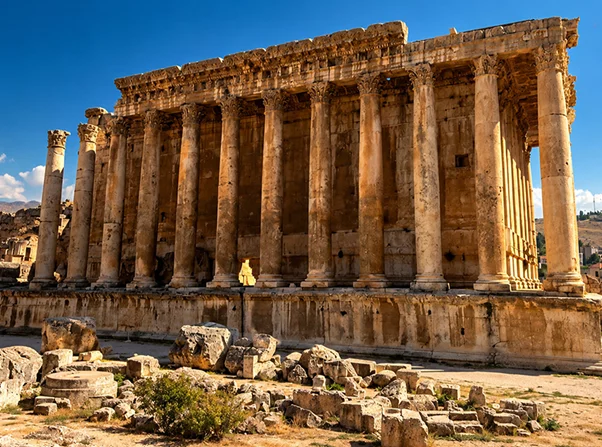
After nearly three decades at Baalbek, German archaeologist Margarete van Ess knows where to look. The Beiruter spent a day following her through a history that begins long before Rome, with Neolithic settlements, medieval fortifications, and a surprising amount of water.
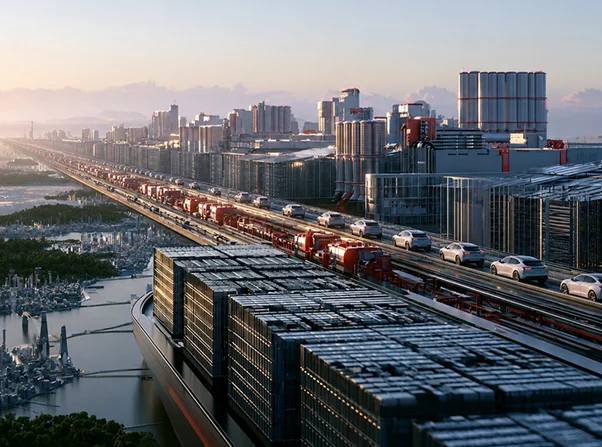
New maritime traffic data and maps reveal where global trade converges, who controls the passages it depends on, and the distances ships must travel when the shortest routes are no longer available.
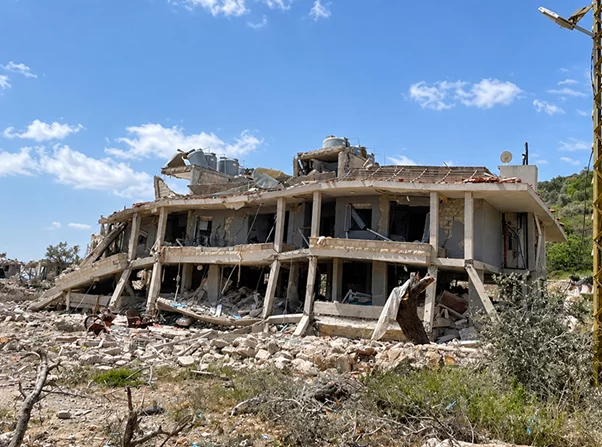
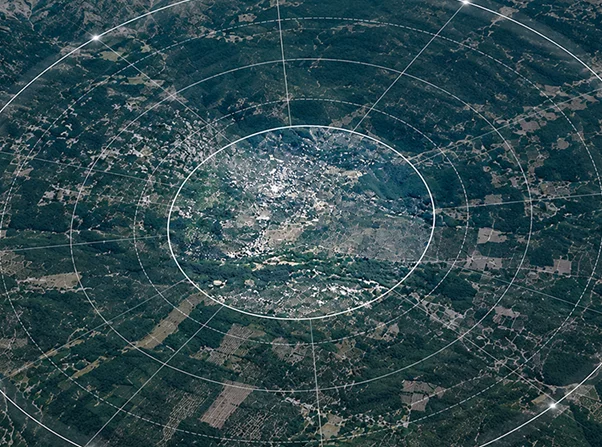
Israeli military activity reached the outskirts of Deir Mimas last weekend, adding pressure on a southern village already contending with longer journeys, lost income and uncertain access to agricultural land.
Oil prices above $100 once threatened economic crisis, but decades of declining oil intensity, diversified energy supplies and strategic reserves have made the global economy more resilient to petroleum shocks.
More than six months into the war, Tyre has become the center of an improvised civilian life in southern Lebanon, where displacement, disrupted schooling and damaged infrastructure are becoming harder to treat as temporary.
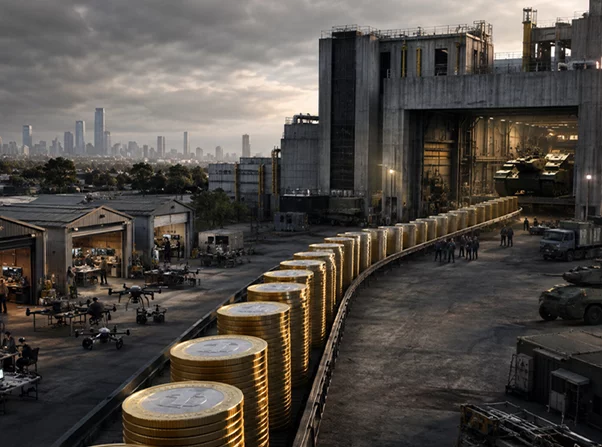
China’s revised National Defense Mobilization Law aims to shorten the transition from peacetime to a wartime economy by preparing and testing how civilian resources could be converted into military capacity before a conflict begins.
In Part II of its investigation, The Beiruter examines how Syria’s post-Assad order has revived northern Lebanon’s economic potential and why Turkey will prove critical to restoring long-neglected Tripoli to its historic role as a gateway to Syria.
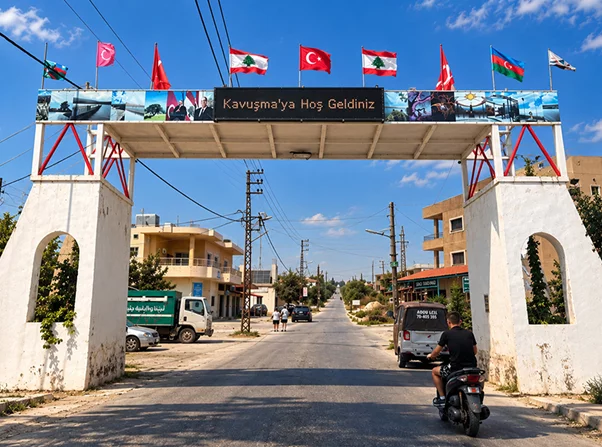
In Part I of its investigation, The Beiruter traces how Turkey’s local-level engagements addressed gaps left by the Lebanese state and rebuilt a shared affinity rooted in history, religion, and culture.
From poisoned datasets to prompt-based p-hacking and AI-generated papers, new research shows how artificial intelligence is testing the safeguards designed to protect scientific integrity.
The latest surge in Chinese exports comes from a country with far greater technological capabilities than during the first China shock, changing the stakes from competition over markets to dependence on the supply chains it increasingly dominates.
In the second installment of a three-part investigation, The Beiruter traces how political mobilization, Hezbollah’s rise, and decades of war transformed Dahiyeh into one of Lebanon’s most politically charged places.
In the first installment of a three-part investigation, The Beiruter draws on archival records to trace the physical, economic, demographic and linguistic transformations that produced modern Dahiyeh, whose name would later acquire extraordinary political weight.
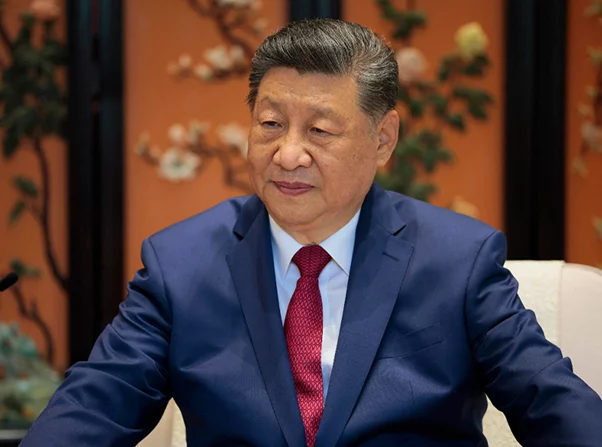
From his father’s persecution to the Soviet collapse, Xi’s political education informed his consolidation of party control and the political imperatives that continue to drive his rule.
Europe is spending hundreds of billions on defense, but reliance on American weapons and procurement systems dominated by established national contractors are complicating its push for greater military autonomy.
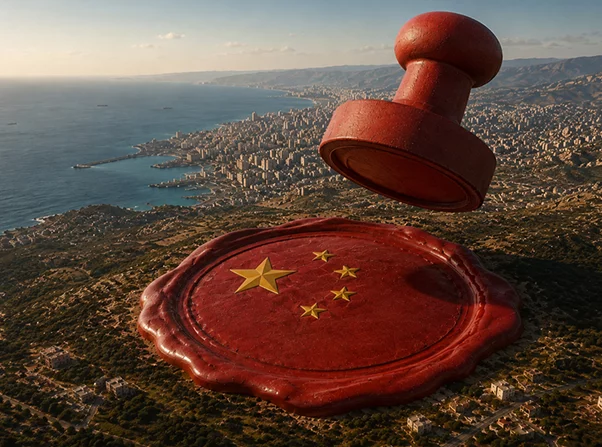
In the investigation’s second installment, The Beiruter examines China’s decade-long expansion across Lebanon’s transportation, agriculture, and telecommunications sectors, revealing the economic scaffolding Beijing has built in anticipation of Lebanon’s recovery and Syria’s reconstruction.
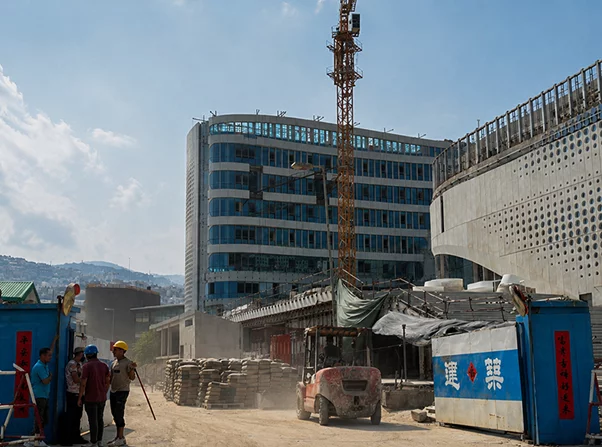
In the first installment of a two-part investigation, The Beiruter traces how a $63.5 million conservatory under construction in Dbayeh represents only the most visible dimension of China’s expanding influence across Lebanon’s cultural and educational institutions.
The Luddites are often remembered as opponents of technology, but their rebellion reveals why today's debate over artificial intelligence is ultimately about labor, power and who benefits from technological change.
As the government considers whether to extend SOLIDERE's mandate until 2069, new research into the company's legal, financial and planning history examines what SOLIDERE has delivered, what public value remains to be recovered and what should happen after 2029.
Ancient Lebanon is known largely through the writings of Greek and Roman observers, but archaeology is uncovering the material evidence needed to test and expand those accounts.
A proposed expansion of U.S.-Morocco defense cooperation highlights how the kingdom's religious institutions, diplomacy and military partnerships have become a strategic advantage as jihadist violence spreads across the Sahel.
A reporting trip through Lebanon's southeastern border villages examines how residents are navigating renewed questions over sovereignty and the aftermath of war.
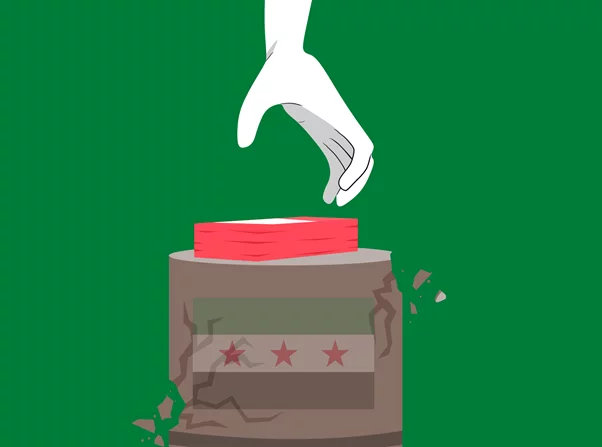
A proposed $7 billion financing package signals renewed international interest in Syria, but whether foreign capital takes root will depend on rebuilding the country's institutions and financial system.
As AI demand drives a race for data centers and compute, Europe faces a new sovereignty challenge: whether its clean power can help build domestic technology capacity or mainly power platforms controlled abroad.
As governments invest in quantum computing, communications and sensing, the global quantum race is becoming a competition over encryption, navigation, intelligence and the scientific talent that will underpin future strategic power.
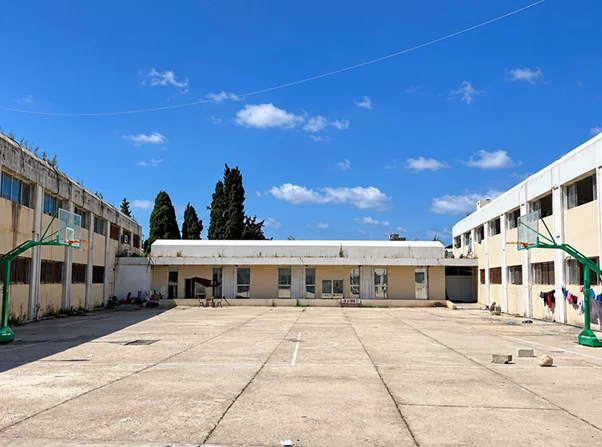
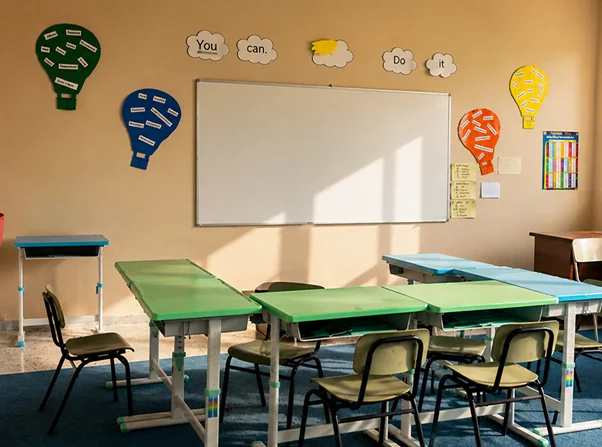
Months of conflict have transformed education across southern Lebanon, where teachers, students and families are fighting not only to preserve learning, but to keep their communities intact.
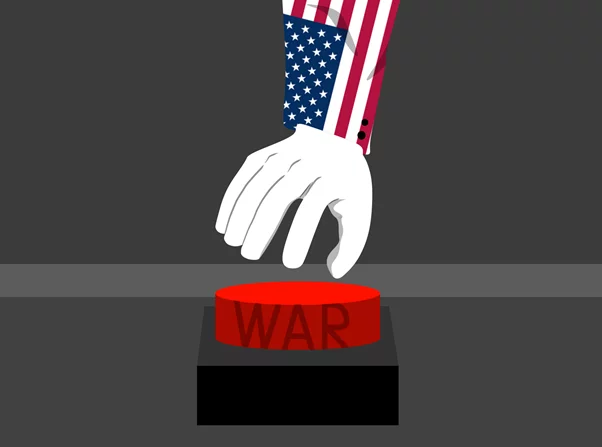
The Senate's vote to limit military action against Iran has revived a longstanding constitutional debate over how war powers are divided between Congress and the president.
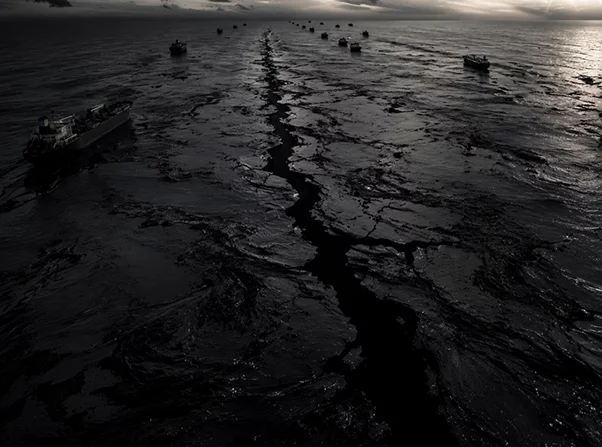
As Iran relies on an expanding shadow fleet to sustain oil exports despite Western sanctions, the network may represent not only a sanctions-enforcement challenge but also a growing environmental risk, as aging tankers operate through some of the world's most economically and ecologically important waterways.
Long associated with rapid population growth and youthful societies, the Middle East is increasingly confronting the demographic challenges as Europe and East Asia of falling fertility, aging populations, and slower workforce growth.
Dense global supply chain interdependence, once expected to promote peace through mutual trade, has become a source of profound vulnerability as geopolitical competition intensifies.
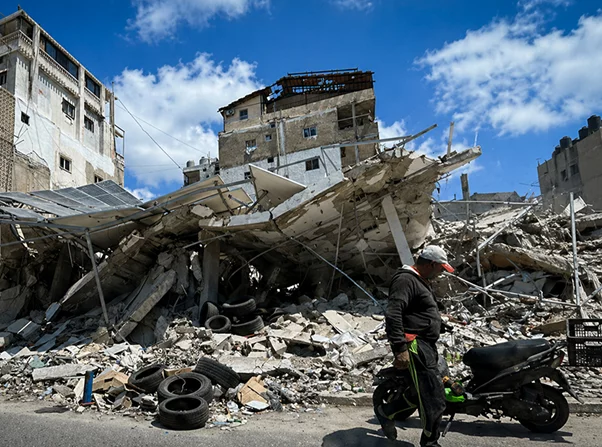
As ceasefire negotiations remain volatile and both displacement and fighting persist, many Lebanese fear rebuilding may prove impossible after a second devastating war in less than two years.
For many Americans, the Iran war registers not through casualties but through prices, an economic pressure that history shows can rapidly become political backlash.
The crisis surrounding the Strait of Hormuz is exposing a widening gap between the rules governing global maritime trade and the technology now being used to undermine them.
Israeli overflights over Lebanon are among the most extensively documented sovereignty violations in the modern Middle East, yet decades of normalization have stripped them of political urgency.
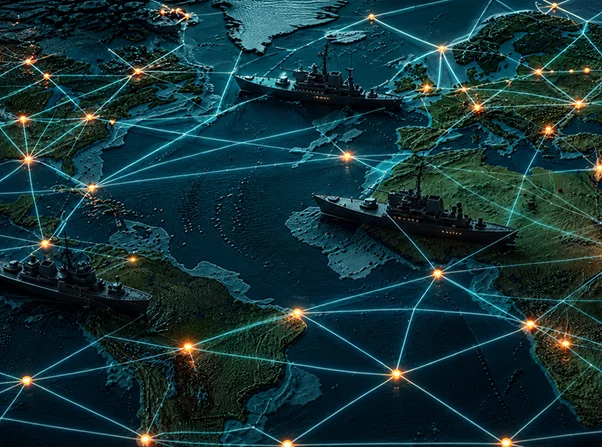
Traditional vessel tracking systems are becoming less reliable in a maritime environment increasingly shaped by electronic interference, dark fleet activity, and contested trade corridors.
Stanford’s latest data shows AI adoption and capability surging, even as governance and oversight fall behind.
As the ceasefire has done little to alter conditions in Lebanon’s south, Tyre functions as both a site of past strikes and a point of arrival for those still displaced.
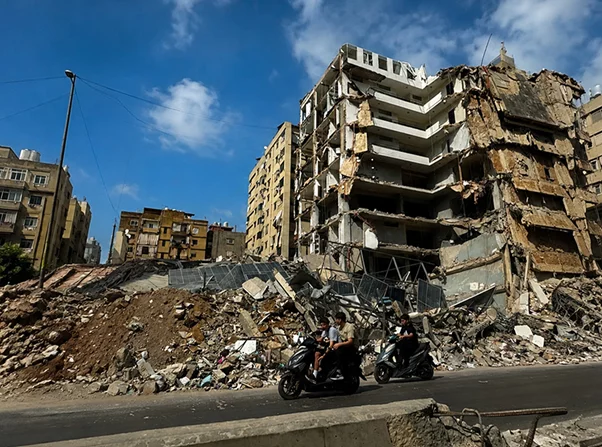
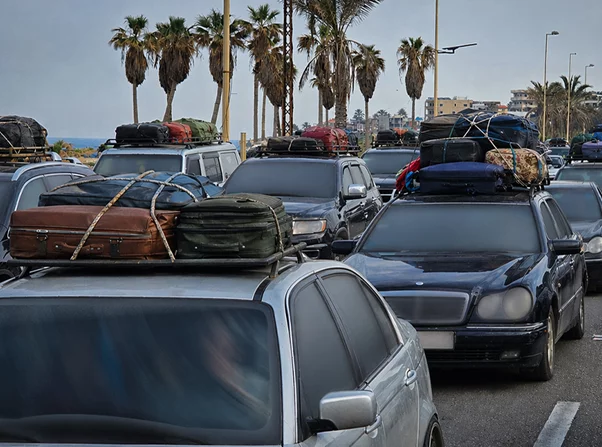
The April ceasefire briefly set off a mass return to southern Lebanon, but widespread destruction and the threat of occupation have driven many back into displacement.
Lebanon has introduced new disability policies, but without implementation and follow-through, the same gaps persist across conflicts, leaving persons with disabilities to navigate the system on their own.
During a visit to Lebanon’s southeastern Christian border villages with a humanitarian convoy led by the Maronite Patriarch, residents described why they remain despite escalating Israeli operations.
War is reshaping how waste is produced and managed in Lebanon, exposing the limits of a system built on disposal, rather than reuse.
In the absence of a centralized archival system, a fragmented network of institutions has taken on the work of preserving Lebanon’s vast and contested historical record.
Lebanon’s ongoing war reveals a fragile system of interdependent forces, where political paralysis, external influence, and feedback loops drive continuous instability.
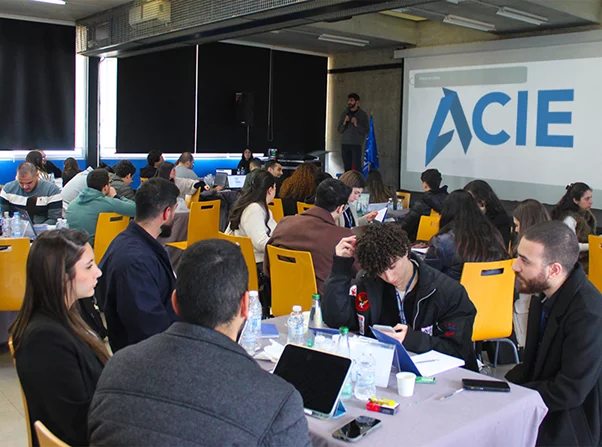
At USEK’s Agri-Food Hackathon, Lebanese students turn real industry challenges into innovative solutions, bridging education and entrepreneurship.
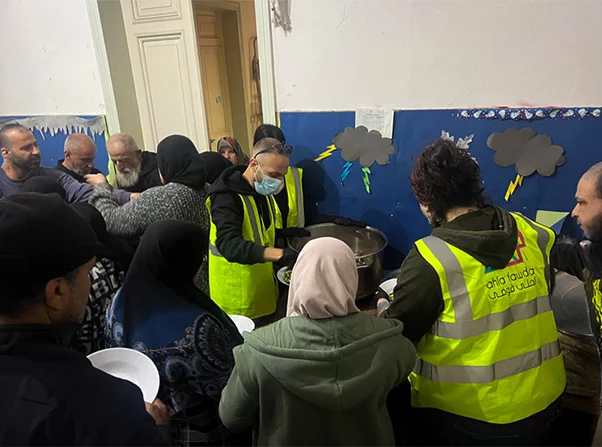
How displaced children in Beirut shelters continue learning and playing through improvised classes and activities organized by volunteers and NGOs amid Lebanon’s ongoing war.
An intimate look at how displaced families in Beirut continue to observe Ramadan inside shelters, preserving faith, community, and tradition despite the disruptions of war.
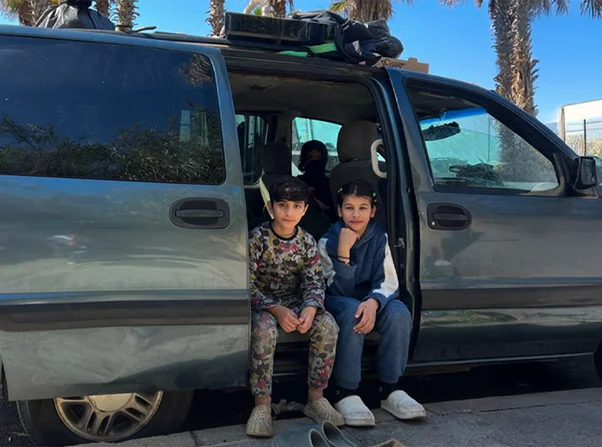
Displacement in Lebanon has reconfigured daily life for children, affecting their schooling and safety and eroding any sense of stability.
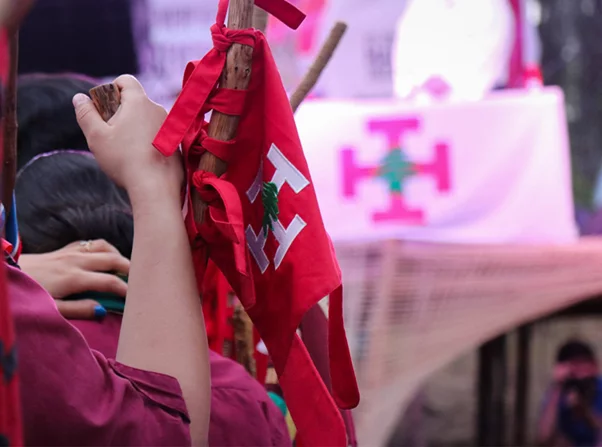
From bugle calls to badges and service, Scouts du Liban continues to shape youth, identity, and citizenship across generations.
Since 2005, political assassinations in Lebanon have reshaped power, weakened institutions, and entrenched a culture of impunity amid deeper struggles over sovereignty and accountability.
Why Christmas crèches remain public in Lebanon while fading from Western public spaces.
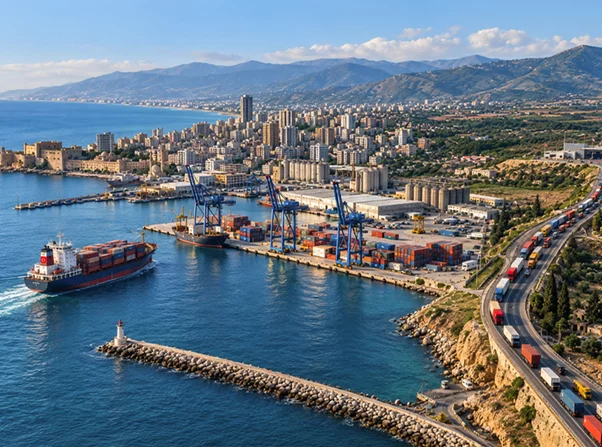
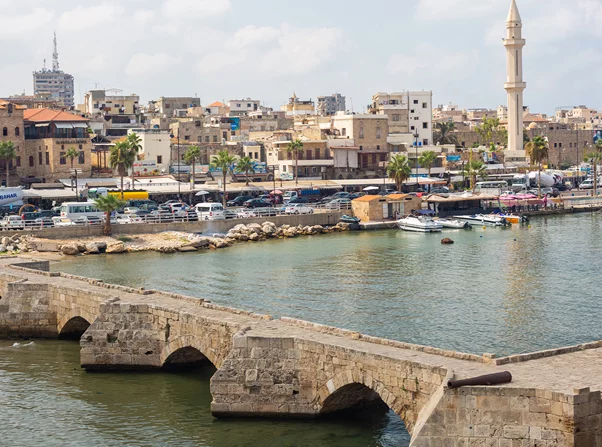
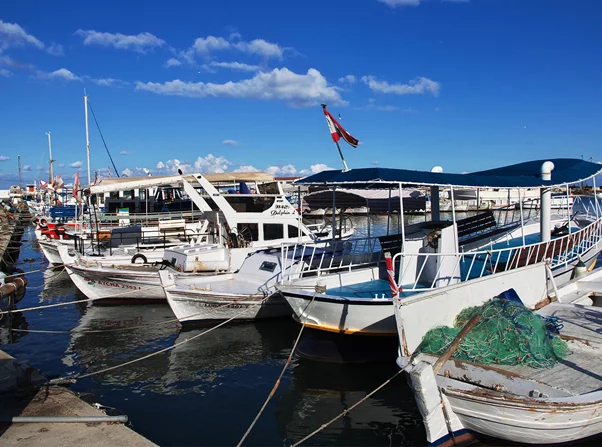
Tyre and Saida’s neglected ports face decline, making their revival vital for Lebanon’s southern economy.
Rehabilitated touristic and upcoming commercial ports position Jounieh for renewed regional connectivity and long-awaited economic growth.
Siska’s "Still Water Runs Deep" reflects ports' histories of migration, trauma, and economic exploitation.
Pope Leo XIV’s visit to Lebanon offers both symbolic hope and a real test of the country's ability to manage large-scale operations amid political and economic struggles.
Northern Ireland’s balanced post-conflict reforms contrast sharply with Lebanon’s persistent sectarian inequality and external geopolitical pressures.
Once a regional gateway, Tripoli’s harbour now symbolizes marginalization but remains vital for future reconstruction.
Inspired by Nassim Taleb’s Antifragile, this piece explores how Lebanon’s chaos cultivates adaptability, resilience, and spontaneous living.
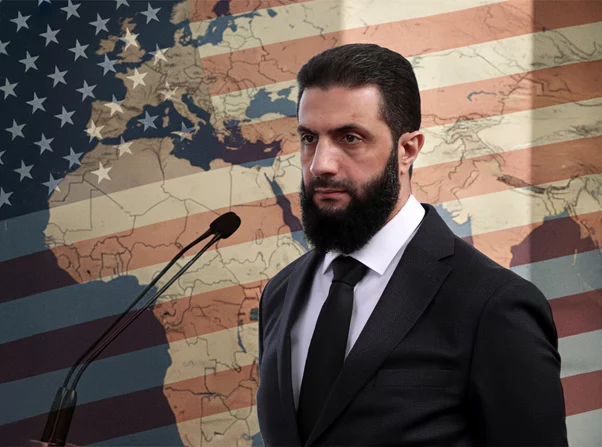
A deep dive into Ahmad al-Sharaa’s contrasting ties with U.S. envoys Robert Ford and Thomas Barrack.