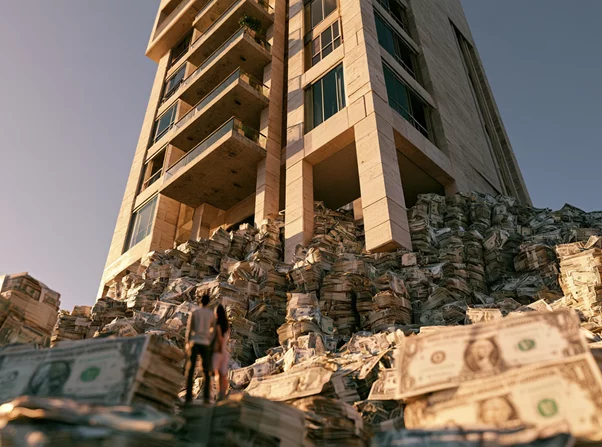
Lebanon’s real estate market remains out of reach for many as rising apartment prices, limited housing loans and declining purchasing power restrict homeownership to affluent residents and expatriates.
As Lebanon faces a new FATF assessment in October 2026, questions remain over whether its progress in financial oversight, anti-money laundering measures and institutional reforms will be enough to secure its removal from the grey list.
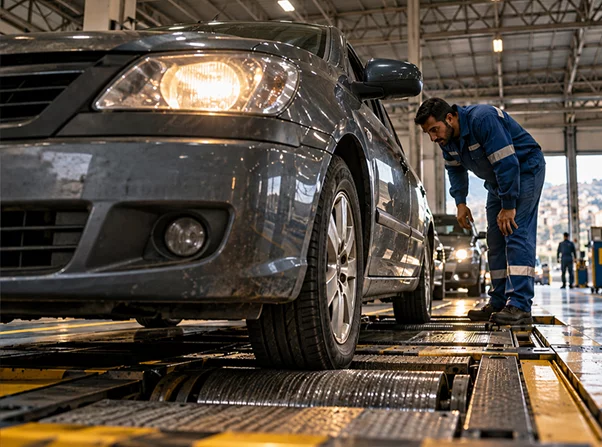
Lebanon considers restoring mechanical inspections amid road safety concerns, vehicle violations, lost state revenues, and calls for a more transparent system.
Lebanon’s $8 billion financial gap dispute has become a central battle over who owns the funds, how losses should be distributed, and whether Banque du Liban or the banks should bear responsibility for returning depositors’ money.
Lebanon’s long-awaited pension reform promises a lifetime retirement income for workers, but its success depends on implementing 14 pending decrees, building the system’s institutions, and ensuring the state can turn the reform from a legal text into real social protection.
Lebanon’s Electricity Regulatory Authority marks a historic step toward reforming the power sector, ending monopolies and enabling private-sector investment.
Lebanon’s private sector demonstrates resilience through innovation and exports, but lasting recovery ultimately depends on security, stability, and economic reforms.
Lebanon's proposed Golden Residency seeks to attract investment, boost state revenues, strengthen tax collection, and support broader economic recovery through reforms.
Lebanon faces a narrowing window to negotiate with Eurobond holders before a key 2028 deadline could trigger renewed legal and financial pressure.
As oil prices retreat following the U.S.-Iran peace agreement, attention is turning to how quickly lower fuel and shipping costs will translate into lower prices across Lebanon.
Amendments to Lebanon’s banking reform law spark debate over IMF demands, governance independence, accountability, and systemic financial crisis implications ongoing.
Recognition of Lebanon’s crisis as systemic shifts responsibility toward the state, reshapes reform debates, and redefines financial recovery efforts.
Lebanon’s economy faces severe contraction as war disrupts growth, deepens recession, weakens key sectors, intensifies unemployment and instability in 2026.
Lebanon’s inflation rate has surged to 17.3% as rising oil prices, import costs, and regional instability push food, transport, and housing expenses sharply higher.
Lebanon’s war-hit hotel sector faces collapsing bookings, soaring unemployment, and a bleak summer tourism season amid persistent insecurity and displacement.
Lebanon’s economy grew modestly in 2025 amid fragile reforms, recovering tourism, and persistent structural, financial, and regional challenges nationwide overall.
Lebanon forfeits €494 million in international loans after donor withdrawal, canceling 6 infrastructure projects amid default, crisis, and war.
Lebanon risks losing competitiveness in the U.S. market as Washington considers tariff penalties linked to trade with Iran.