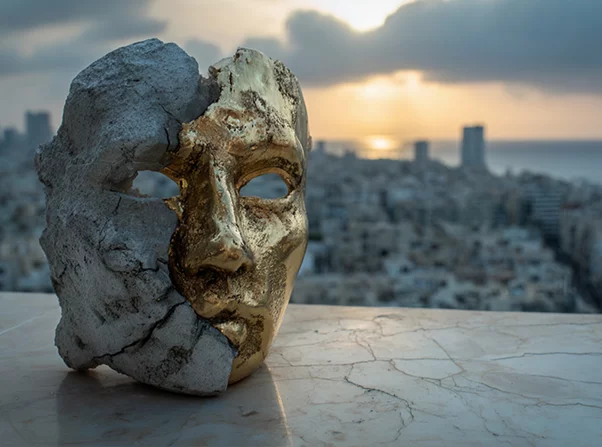
How words like “Eid” and “Allah” reveal the complexity of Lebanese identity, often lost in Western misunderstandings.
Amid war and uncertainty, Lebanon’s layered history and shared traditions of Lent and Ramadan evoke a timeless story of resilience, memory, and renewal.
Hezbollah has overseen 26 years of misery.
How the 1982 Israeli Invasion has eerie parallels with today’s conflict.
Wajib is the structure that holds us together.
Why Lebanon will never let the truth get in the way of a good story.
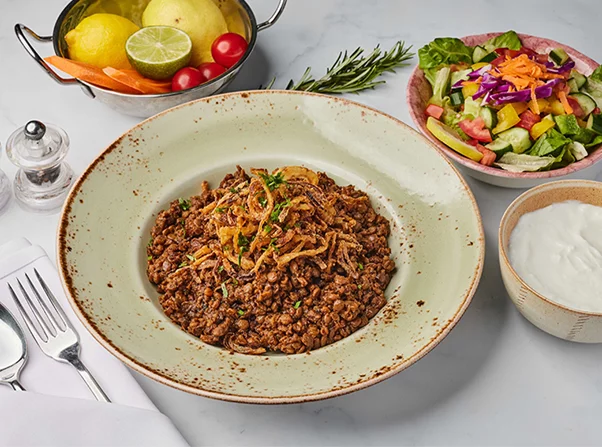
How Lebanese food has emerged from the ethnic ghetto to global domination.
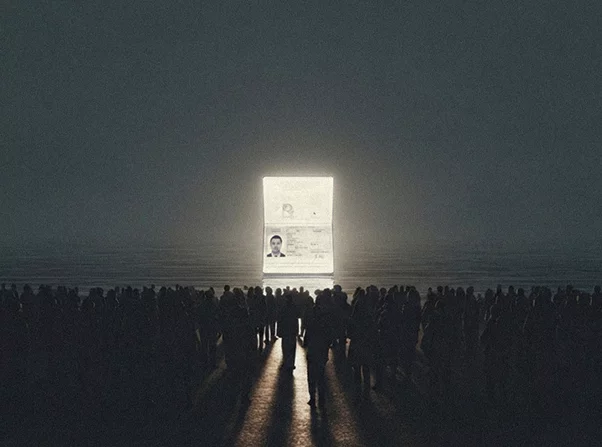
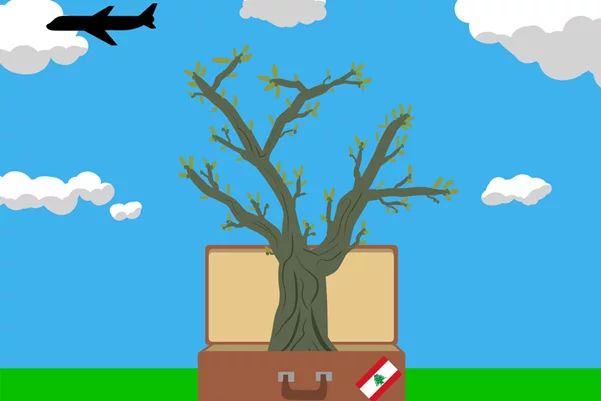
Being able to move around the world freely is not a God-given right and comes at a price.
A sharp critique of Lebanon’s habit of embracing conspiracy theories as emotional comfort, avoiding accountability for national crises.
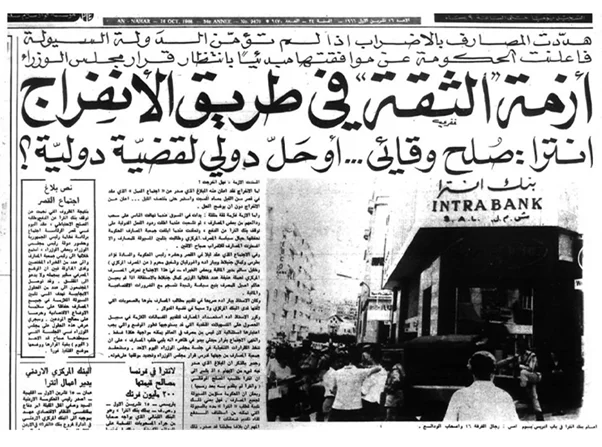
Fifty years ago this week, a Beirut bank wrote itself into the record books.
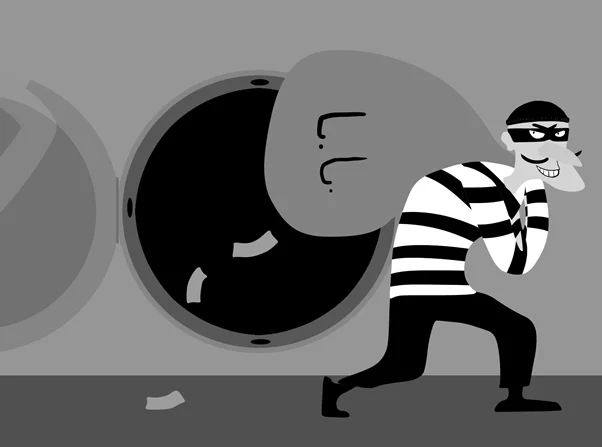
Promised as a solution, Lebanon’s Financial Gap Law risks repeating history, shifting losses onto depositors through delays, bonds, and uncertainty.
From Operation Exporter to the Suez Crisis, Lebanon’s skies and soil witnessed imperial ambitions, fallen soldiers, and a fateful encounter linked to Hafez al-Assad.
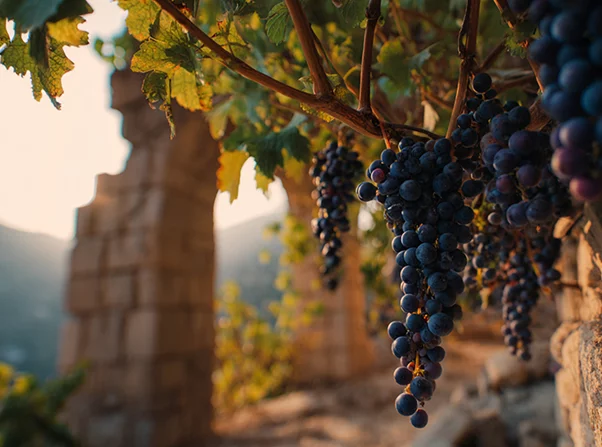
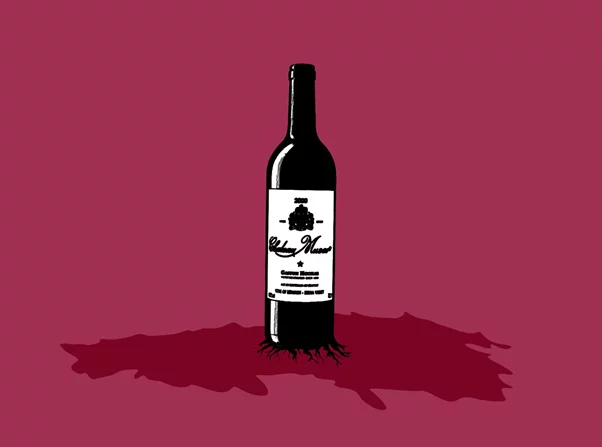
Lebanon’s forgotten role in shaping global wine culture long before Europe’s vineyards emerged.
Every year we hope for better and every year we are disappointed, but at least we can dream
It’s hard being an Arab in a world of lazy clichés.
Though Phoenicianism is historically debunked, Lebanese pride endures through resilience, entrepreneurship, and a lasting cultural work ethic.
Lebanon has a rich historic tradition for attracting British intelligence agents.
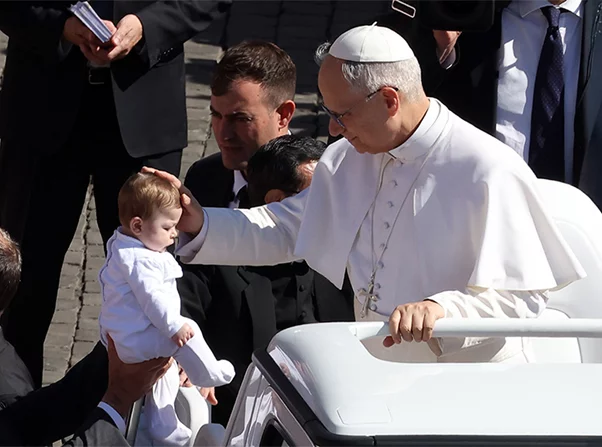
Amid crisis and foreign pressures, the Pope’s presence reinforces Lebanon’s importance and fragile coexistence.
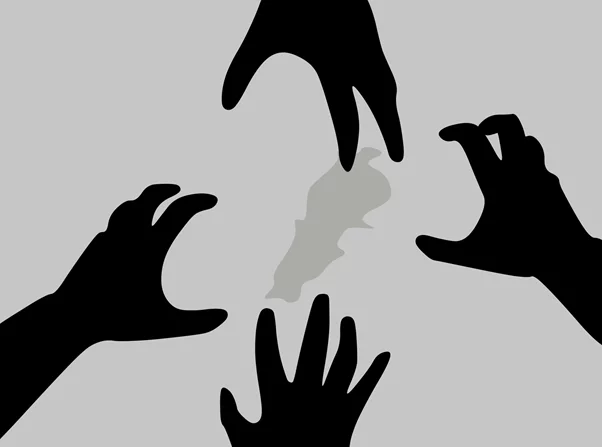
Lebanon marks 82 years of independence while confronting political paralysis, external pressures, and unresolved sovereignty challenges.
There are bigger issues than a wedding Party in the Jeita Grotto
Michael Karam reflects on Lebanon’s resilience, identity, and irony amid dysfunction, criticism, and enduring human warmth.