Hezbollah’s rejection of state authority raises fundamental questions about sovereignty, equal citizenship and who decides Lebanon’s exposure to war.
Three years after October 7, grief, sacrifice, and accountability continue shaping political choices, sovereignty debates, and prospects for regional change.
Nawaf Salam’s UN diplomacy tests whether Lebanon can turn recognition of its sovereignty into lasting partnerships that strengthen state authority and support recovery.
As Lebanon weighs a successor to UNIFIL, this analysis asks whether a new international force could support Lebanese-led disarmament and state authority or merely monitor the obstacles to both.
Lebanon’s reliance on private solutions for electricity, education and healthcare helps households survive public failure, but may also weaken collective pressure for institutional reform.
Lebanon needs a new national pact balancing majority rule, communal safeguards, state authority and a shared identity before federalism can offer an escape from political paralysis.
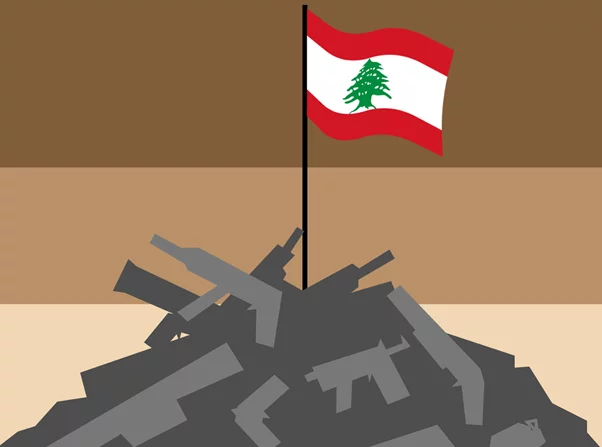
How Hezbollah’s weapons, once justified as a means to protect southern Lebanon, have become the center of a debate over sovereignty, deterrence, displacement and the devastating cost borne by the communities they were meant to defend.
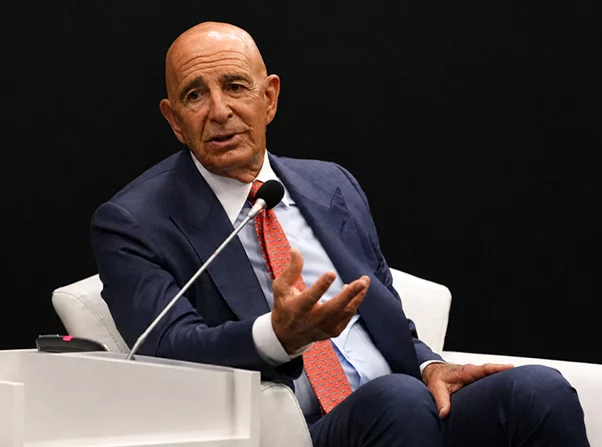
Tom Barrack’s criticism of Israel’s actions in Syria exposes a possible divide in Washington over whether Turkey or Israel should shape the next regional order.
Israel and Turkey are competing not only over Hezbollah, but over which model of regional order Washington will trust.
The Middle East’s wars are not ending. They are being reorganized.
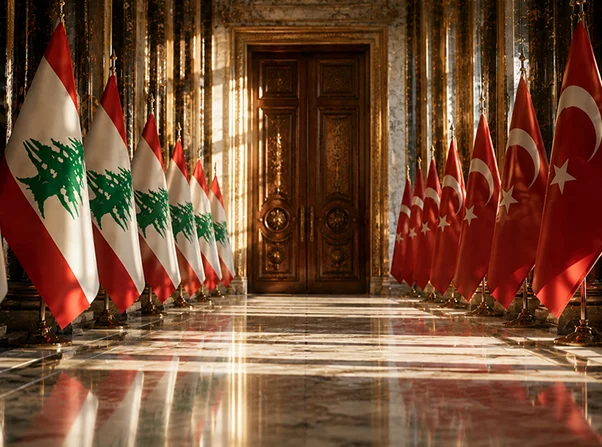
President Joseph Aoun's back-to-back visits to Washington and Ankara reveal a shifting regional landscape in which the United States, Turkey, Israel, Syria, and Hezbollah are redefining the balance of power—and Lebanon's place within it.
Lebanon’s future prosperity will depend not on choosing between Syria and Israel, but on building the institutions capable of turning geography, peace, and regional cooperation into lasting national economic gains.
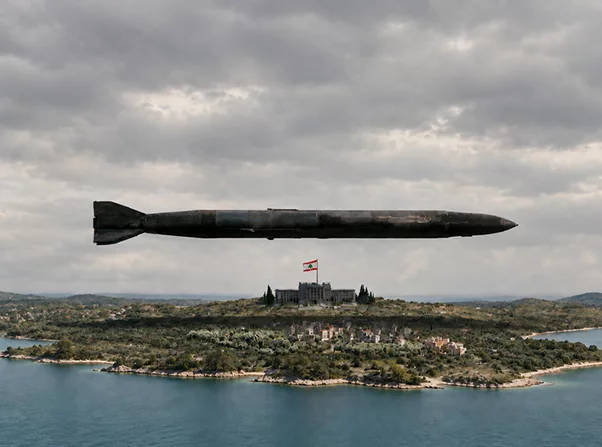
As Hezbollah's influence faces unprecedented challenges, this analysis explores whether Lebanon's greatest post-Hezbollah risk is not a power vacuum itself, but who ultimately fills it and whether the Lebanese state can reclaim sovereign decision-making.
As Iran's regional influence and Hezbollah's military dominance face growing pressure, Israel's security doctrine may increasingly shift toward confronting state-backed Sunni political movements, with Turkey, Egypt, Syria, and Lebanon emerging as central actors in a changing Middle Eastern strategic landscape.
As regional powers reposition around Hezbollah’s future, Lebanon faces a defining question: will the Lebanese state reclaim the authority it lost, or will others once again manage its absence?